

Rose vs. Chrysanthemum Tea: Choose by Flavor
Want rose you can pick out in the cup? Yue Rong has soft rose, mellow fruit and light citrus. Qing Ping is lighter and more herbal, with white chrysanthemum, subtle fruit sweetness and a toasted-herbal finish. Both are VERI CHUN botanical infusions.
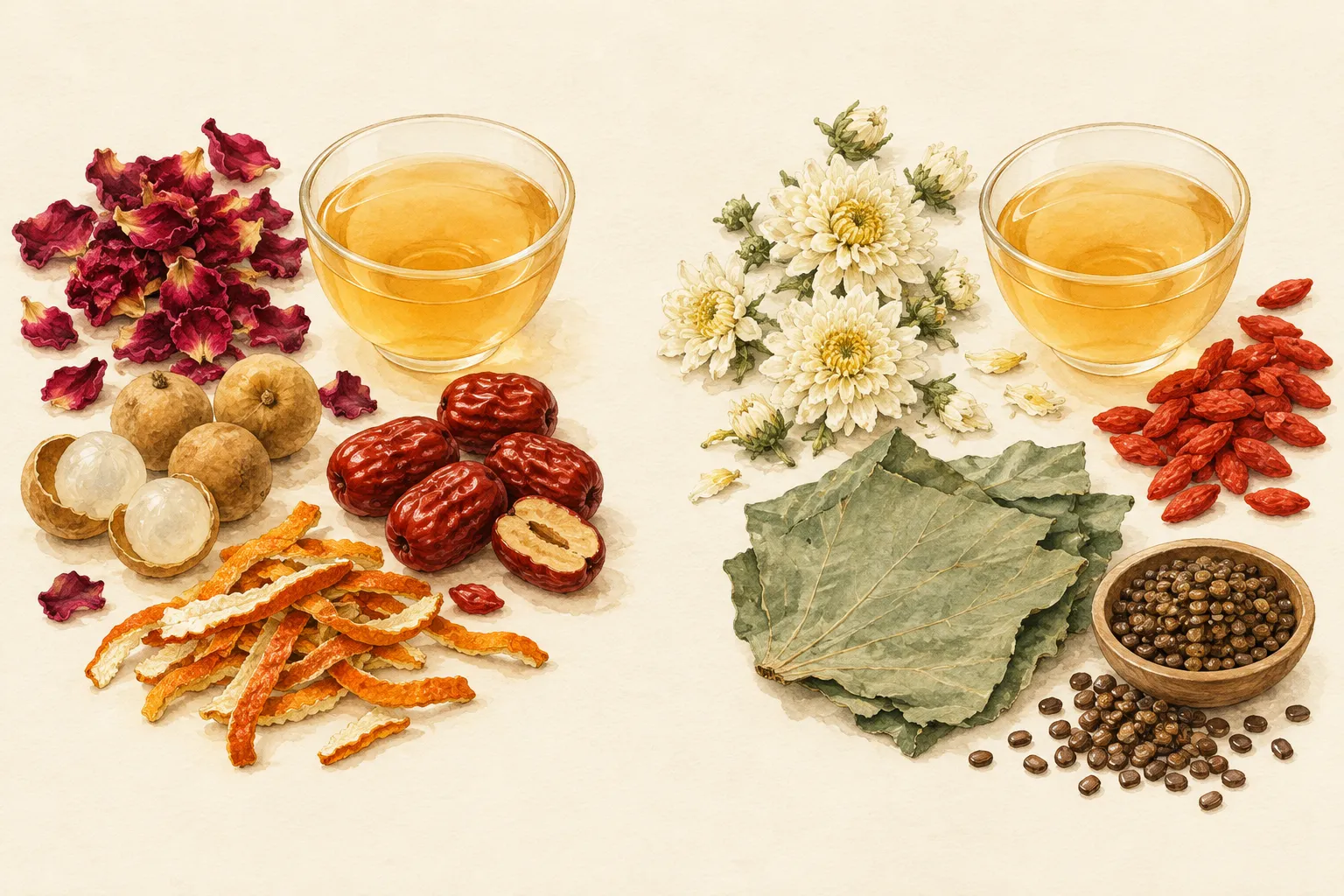
In rose tea blends, the flower is only part of the flavor. Yue Rong also contains fruit and tangerine peel. Qing Ping pairs its chrysanthemum with goji berry, cassia seed and lotus leaf.
The quick choice: rose tea blends or chrysanthemum tea?
Yue Rong |
Qing Ping |
|
|---|---|---|
Floral ingredient |
Double-petaled Red Rose |
White Chrysanthemum |
Complete ingredient list |
Double-petaled Red Rose, Longan, Tangerine Peel, Jujube (Red Date), Goji Berry |
Goji Berry, White Chrysanthemum, Cassia Seed, Lotus Leaf |
Flavor profile |
Soft rose, mellow fruit, light citrus |
Light florals, subtle fruit sweetness, toasted-herbal finish |
Choose it if you like |
Rose at the center of the cup, with fruit and a little citrus |
A quieter floral cup that finishes more herbal than citrusy |
Box format |
8 individually wrapped sachets x 8 g (64 g) |
8 individually wrapped sachets x 8 g (64 g) |
VERI CHUN describes both blends as naturally caffeine-free. If rose is what you're after, Yue Rong is the match: Qing Ping contains no rose. You can find more on their botanicals in VERI CHUN's ingredient notes.
What makes the floral flavors different?
Yue Rong: rose with fruit and citrus
For a Chinese rose tea with some fruit behind the flower, Yue Rong fits. Its Double-petaled Red Rose sits alongside longan, jujube (red date), goji berry and tangerine peel. VERI CHUN describes the blend as soft rose, mellow fruit and light citrus.
The fruit keeps the rose soft rather than floral all the way through, and tangerine peel adds a citrus edge. VERI CHUN describes Yue Rong as having no added sugar. Its mellow fruit sweetness refers to flavor, not a measure of sugar content.
Qing Ping: chrysanthemum with a toasted-herbal finish
Qing Ping brings goji berry, White Chrysanthemum, cassia seed and lotus leaf together. Its light florals and subtle fruit sweetness end in a toasted-herbal note, without Yue Rong's rose and citrus.
That finish makes Qing Ping a good choice if you enjoy an herbal note after a light floral opening. Although both blends contain goji berry, their other ingredients take them in different directions.
The Houston Botanic Garden describes the flower's use in tea:
"An aromatic herbal tea." - Houston Botanic Garden
That describes chrysanthemum on its own. In Qing Ping, you taste it as part of a blend.
Rose petals are not rose hips
Rose petal tea uses the flower. Rosehip tea uses the structures that develop after a rose blooms, as the University of California Agriculture and Natural Resources explains. The University of Illinois Extension notes that fresh or dried rose petals can make a floral tea. Yue Rong lists Double-petaled Red Rose, with fruit and tangerine peel; its ingredient list does not include rose hips.
Choose by the part of the cup you want to notice
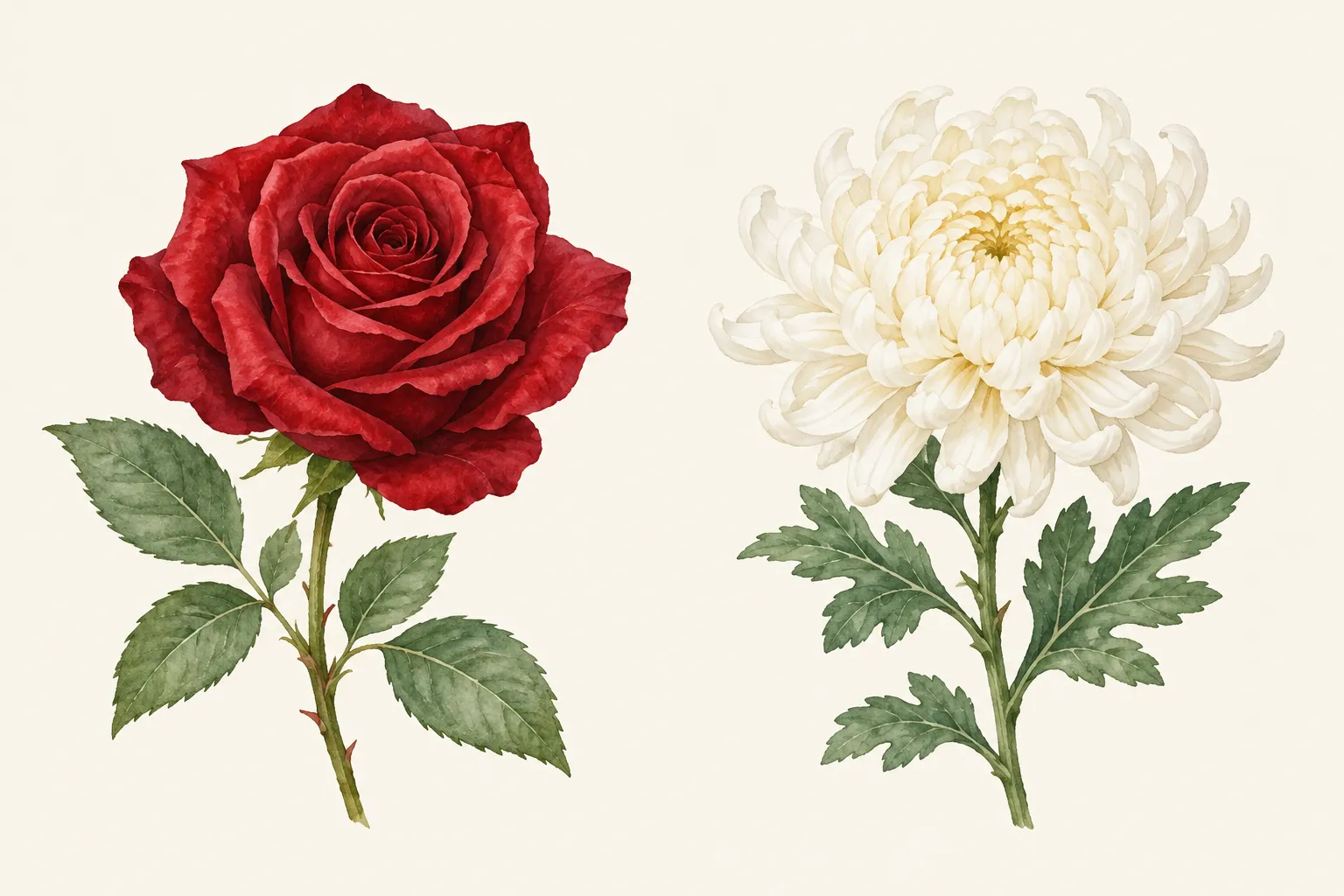
Love a recognizable rose note? Start with Yue Rong, where soft rose leads.
If fruit and citrus appeal more, Yue Rong's longan, jujube, goji berry and tangerine peel give you mellow fruit with a light citrus edge.
Prefer the flower to stay in the background? Qing Ping offers lighter florals and subtle fruit sweetness before its toasted-herbal finish.
For a gift, think about whether the recipient likes rose and citrus or a more herbal floral cup. Either way, the sachets are individually wrapped and ready to brew.
If you're still undecided, the ingredient lists offer a clean dividing line: Yue Rong has tangerine peel but no cassia seed or lotus leaf. Qing Ping has cassia seed and lotus leaf but no tangerine peel.
Brew either blend with VERI CHUN's instructions
For either blend, VERI CHUN instructs you to use one sachet in 350 ml (about 12 US fl oz) of water at 85°C / 185°F, and steep for 3 minutes. Those are instructions for these sachets; loose flowers may call for a different method.
If you're comparing cups, keep the water volume, temperature and steep time the same. Try them plain and notice the finish after the floral notes: light citrus and mellow fruit for Yue Rong, toasted-herbal for Qing Ping.
Your next cup
The verdict comes down to the finish as much as the flower. Yue Rong gives you rose, mellow fruit and light citrus; Qing Ping offers lighter florals and a toasted-herbal close. VERI CHUN publishes full ingredient lists and the same simple brewing directions for both. Explore the blend that sounds best to you.


